October 31, 2026
What to Ask Before Hiring a Pressure Cleaner in Glenelg
By @mariowbwy351
Glenelg's coastal setting is a big part of its appeal, but it also puts constant demands on outdoor surfaces. Salt-laden sea air, sand, humidity, bird droppings, and mould all build up on driveways, pavers, decks, fences, rendered walls, and roofs. Pressure cleaning is one of the most effective ways to restore these surfaces, but the results depend heavily on who does the work. Asking the right questions before you book can protect your property, your budget, and the surrounding environment.
Why the Right Questions Matter
Pressure cleaning looks simple, but it carries real risks when done incorrectly. Excessive pressure can etch concrete, strip the sealant from pavers, blast mortar out of joints, splinter timber, damage paint, and force water behind cladding or under roof tiles. Many older Glenelg homes, including character properties and heritage-style buildings, feature soft sandstone, lime mortar, and aged render that need a gentler approach. A professional who understands these materials will adjust pressure, nozzles, and cleaning solutions accordingly.
Questions About Licensing, Insurance, and Experience
Are you insured?
Ask for proof of public liability insurance, and check that the cover amount is suitable for the work. If accidental damage occurs, such as a cracked window, damaged render, or water entering a property, insurance is what protects you from paying out of pocket. If the business employs staff, ask whether workers' compensation cover is in place.
How long have you been operating locally?
Experience with coastal conditions matters. A cleaner who regularly works in Glenelg and nearby suburbs such as Glenelg North, Glenelg East, Somerton Park, and Brighton will understand how salt, mould, and lichen behave on local surfaces. Ask for recent examples of similar jobs and look for before-and-after photos of work on comparable properties.
Can you provide references or reviews?
Reputable operators are happy to share customer reviews or put you in touch with past clients. Check Google reviews and local community groups for independent feedback rather than relying only on testimonials supplied by the business.
Questions About Methods and Equipment
What pressure and techniques will you use on my surfaces?
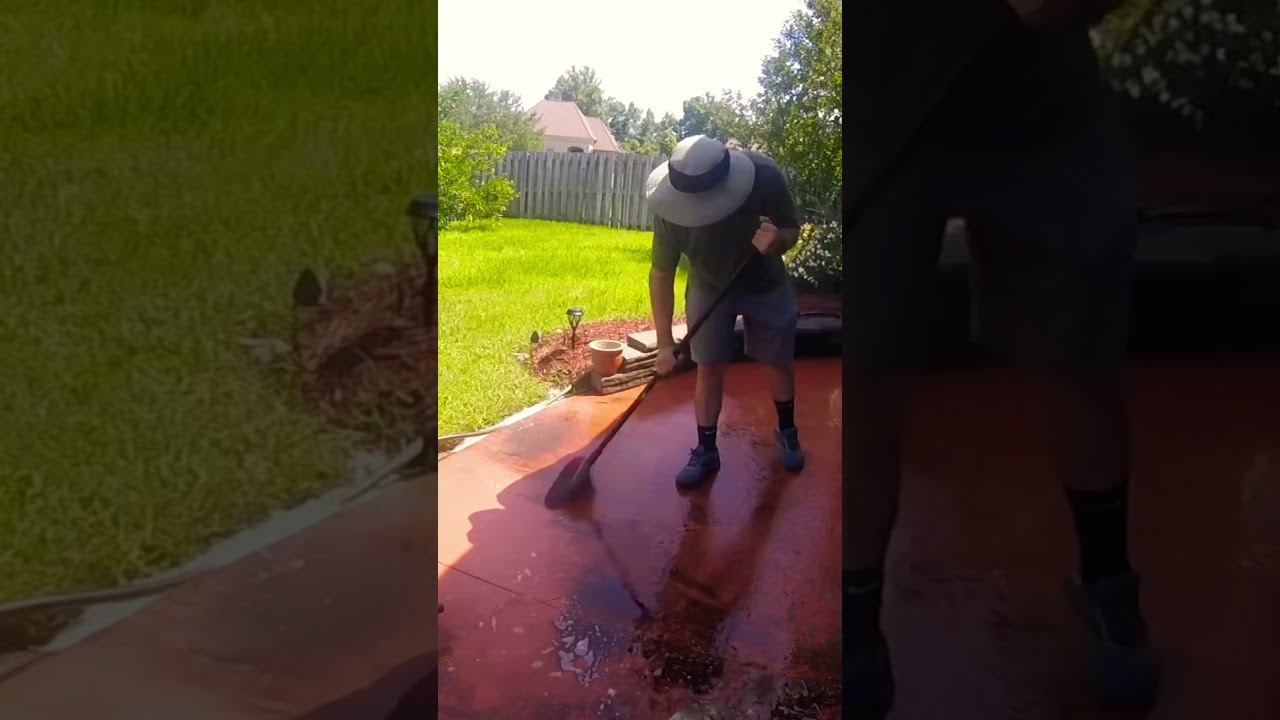
A good answer should be specific to your property. Concrete driveways can usually tolerate higher pressure, while timber decking, painted surfaces, roof tiles, and soft stone need lower pressure or soft washing. Ask whether they use surface cleaners for large flat areas, which give a more even finish and reduce the streaky "zebra stripe" marks that can result from a hand wand.
Do you use soft washing for roofs and delicate surfaces?
Soft washing uses low pressure combined with appropriate cleaning solutions to break down mould, algae, and lichen. It is often the safest choice for roofs, painted walls, and rendered surfaces. Be cautious of anyone who proposes blasting a tiled roof with high pressure, as this can crack tiles, dislodge pointing, and shorten the life of the roof.
What cleaning products do you use?
Ask what detergents, degreasers, or biocides will be applied and whether they are biodegradable or safe around plants, pets, and children. Chemicals such as sodium hypochlorite are commonly used for mould and algae, but they need to be diluted and applied correctly, with nearby plants protected and rinsed.
Questions About Water, Waste, and the Environment
Glenelg sits close to the coast, and stormwater drains in South Australia generally discharge to the sea without treatment. This means wash water carrying detergents, oils, sediment, or paint flakes can harm the marine environment, including the Gulf St Vincent and local beaches. The South Australian Environment Protection Authority (EPA) expects pollutants to be kept out of stormwater systems.
Ask any prospective cleaner how they manage wastewater. Responsible practices may include:
- Blocking or covering stormwater drains and pits before work begins
- Using a vacuum recovery system or containment mats for runoff
- Directing wash water onto lawn or garden areas where appropriate and safe
- Collecting and disposing of contaminated water, sludge, and debris properly
- Taking extra care with older paint, which may contain lead
Water restrictions and efficiency are also worth discussing. Ask whether the cleaner uses water-efficient equipment, and whether they bring their own water supply or need to use yours.
Questions About Pricing and Quotes
Is the quote fixed, itemised, and in writing?
A written quote should clearly list the areas to be cleaned, the methods used, and the total cost including GST where applicable. Some cleaners charge per square metre, while others charge per job or per hour. Make sure you understand which approach is being used, and whether there are any minimum call-out fees.
What is and is not included?
Clarify details that can affect the final price, such as:
- Pre-treatment of heavy mould, oil stains, or rust marks
- Cleaning of stairs, edges, retaining walls, and garden borders
- Post-clean sealing of pavers or concrete
- Re-sanding paver joints after cleaning
- Cleanup of leaves, debris, and wash residue
Be wary of quotes that are dramatically lower than others. Very cheap pricing can signal skipped steps, inadequate insurance, or poor wastewater practices.
Questions About Preparation and Property Protection
How will you protect my property?
Ask how plants, outdoor furniture, light fittings, power points, and windows will be protected. Professionals should cover or move delicate https://glenelgpressurecleaning.com.au/ items, seal or avoid exposed electrical outlets, and take care around door and window seals. Ask what you need to do beforehand, such as moving vehicles, pot plants, and outdoor furniture, and whether pets and children should stay indoors during the work.
What happens if something is damaged?
A reputable cleaner will explain their process for handling any issues and stand behind their work. Ask whether they offer a satisfaction guarantee or will return to address missed spots or patchy results.
Questions About Timing and Aftercare
When is the best time to clean?
Weather affects both the quality of the work and drying time. Mild, dry days are ideal, particularly if sealing is planned afterwards. In Glenelg, strong coastal winds can also carry overspray, so ask how the cleaner manages this. Winter rain and humidity can speed up mould regrowth, so ask about scheduling for lasting results.
How can I keep surfaces clean for longer?
Good cleaners offer practical aftercare advice. This may include applying sealer to pavers or concrete, using a mould inhibitor on roofs and shaded walls, trimming back overhanging vegetation, improving drainage, and scheduling regular maintenance cleans. In coastal areas, many homeowners find that an annual or biennial clean helps prevent salt and grime from becoming ingrained.

Red Flags to Watch For
While you are asking questions, pay attention to how the cleaner responds. Warning signs include:
- Reluctance to show insurance or provide a written quote
- Pressure to commit immediately or pay a large deposit up front
- Vague answers about chemicals, pressure levels, or wastewater
- A one-size-fits-all approach that ignores the type of surface
- No business name, ABN, or verifiable local presence
Final Thoughts
Choosing a pressure cleaner in Glenelg is about more than finding the lowest price. By asking about insurance, methods, chemicals, wastewater management, pricing, and aftercare, you can identify a professional who will clean effectively while protecting your property and the local coastal environment. Take the time to compare at least two or three quotes, ask questions, and choose a cleaner who communicates clearly and understands the needs of Glenelg's seaside conditions. A little preparation now can help your driveways, paths, walls, and roofs look their best well into 2027 and beyond.
Glenelg Pressure Cleaning
Unit 3/2-4 Byre Ave, Somerton Park SA 5044
(08) 7282 0893
❧